西宮市民に愛される、歴史ある洋食の名店です。宮内省御用達の精肉店から続く、4代にわたる食の歴史を持つお店のレシピを引き継いでいます。平日に伺いましたが、13時を過ぎても待ち列ができるほど。 洋食の定番から変わり種までメニューが豊富で迷いますが、今回は「限定Bセット」を注文。100年ハンバーグ、エビフライ、豚肉の梅しそチーズカツが乗った豪華なプレートです。 メインのハンバーグは、お肉感がたっぷりで食べ応え抜群!そして何より、100年以上伝わる伝統レシピのデミグラスソースが絶品です。野菜の甘みが凝縮された濃厚でほんのり甘いソースで、ハンバーグに負けない主役級の存在感です。 豚肉の梅しそチーズカツはふわっとほどける食感で、ご飯によく合います。エビフライのタルタルソースもまるでレモンクリームソースのようで、美味しさのレベルが高いです。 並んででも食べたい西宮が誇る洋食の名店です。
Overview
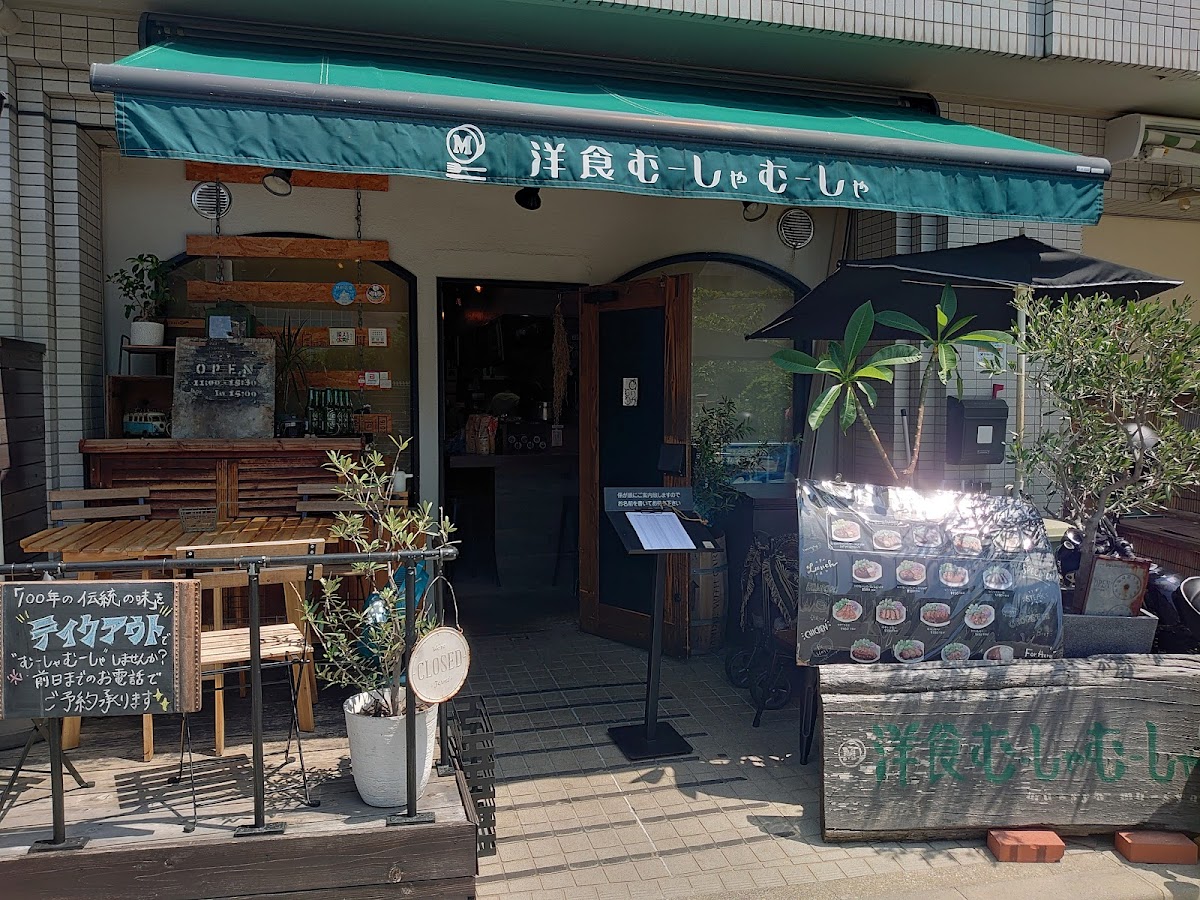
Walking into Mushamusha for the first time felt like discovering a neighborhood secret that locals quietly protect. Tucked away at 16-22 Takamatsucho, Nishinomiya, Hyogo 663-8204, Japan, this small restaurant doesn’t rely on flashy signs or hype. Instead, it wins people over the old-fashioned way: honest food, a focused menu, and a sense that every plate has been thought through from start to finish.
On my first visit, I sat at the counter, which is honestly the best seat in the house. You can watch the chef work with calm precision, moving between grill and prep station without wasted motion. That kind of flow usually comes from years of repetition. According to Japan’s Ministry of Agriculture, Forestry and Fisheries, traditional Japanese kitchens emphasize efficiency and ingredient respect, and you see that philosophy in action here. Nothing is rushed, yet nothing drags. The timing feels deliberate.
The menu is compact, which is usually a good sign. Rather than overwhelming diners with options, Mushamusha sticks to dishes it can execute consistently well. The focus leans toward hearty Japanese comfort food with a modern diner-like edge. Think carefully grilled meats, seasonal vegetables, and sauces built from scratch instead of shortcuts. One regular next to me mentioned he orders the same dish every week because the flavor never drifts. That kind of consistency is rare and usually reflected in long-term customer reviews.
I ordered a set meal that included grilled protein, rice, soup, and a couple of small sides. The rice alone was worth noting. Properly cooked Japanese rice requires precise water ratios and temperature control, something culinary schools in Japan drill into students early on. Research from the Japanese Society of Cookery Science highlights how texture and aroma in rice significantly influence overall meal satisfaction, and Mushamusha clearly gets this right. Each grain held its shape without turning dry or sticky.
What stood out most was how balanced everything felt. Rich elements were offset with acidity or bitterness, and nothing screamed for attention. A sauce brushed onto the main dish had depth but didn’t overpower, suggesting a slow reduction process rather than bottled seasoning. When I asked the staff about it, they casually explained how it’s prepared in-house in small batches. That transparency builds trust, especially in a dining scene where diners are increasingly curious about how food is made.
The location also plays into its charm. Nishinomiya sits between Osaka and Kobe, and food culture here borrows the best of both worlds. You get Osaka’s comfort-driven mindset paired with Kobe’s attention to quality. Mushamusha reflects that blend perfectly. It’s approachable without feeling sloppy, and thoughtful without being pretentious.
Scrolling through online reviews later, I noticed a pattern. People talk less about trends and more about how the food makes them feel. Words like satisfying, reliable, and comforting come up again and again. From a professional standpoint, that emotional response is a strong indicator of a restaurant doing something right. Studies published by the Journal of Foodservice Business Research suggest that perceived authenticity and consistency are key drivers of repeat visits, both of which clearly apply here.
That said, it’s not a place chasing novelty. If you’re looking for experimental plating or viral dishes, this may not be your spot. Mushamusha knows its lane and stays in it confidently. Limited seating during peak hours can also mean a short wait, especially on weekends, so timing your visit matters.
Still, for anyone exploring restaurants in Nishinomiya and wanting a meal that feels grounded and well-executed, this diner delivers exactly that. From the carefully built menu to the steady stream of loyal locals, everything points to a place that understands its craft and respects the people who walk through its door.
Good to know
Service options
✓ Takeaway ✓ Dine-in ✓ DeliveryPopular for
✓ Lunch ✓ Dinner ✓ Solo diningAccessibility
✓ Wheelchair-accessible car park ✓ Wheelchair-accessible entrance ✓ Wheelchair-accessible seatingOfferings
✓ Alcohol ✓ Beer ✓ Coffee ✓ WineDining options
✓ Brunch ✓ Lunch ✓ Dinner ✓ Seating ✓ Table serviceAmenities
✓ Bar on site ✓ ToiletAtmosphere
✓ Casual ✓ CosyPlanning
✓ Accepts reservationsPayments
✓ PayPayParking
✓ Paid parking lotPhotos
1 / 4
Location
Reviews
- No ratings yet 366 reviews
土曜日のランチに訪れました。オープン(11:00)前の10:45に到着し、ギリギリ1巡目で入店することができました。 オープン後も行列は増えていましたが、料理を待っている間にも何組か退店&入店しており、回転は早そうです。 ・チキンカツ(税込¥1,280) ・100年ハンバーグ&からあげ(税込¥1,380) 【ライスorパンスープが付きます】を注文。 チキンカツは鶏肉を箸で持ち上げるのが難しいほど柔らかく、脂身とのバランスも◎。衣はサクサクでデミグラスソースとの相性も抜群。魅力的なメニューも多く迷いましたが、チキンカツにして正解でした。 ハンバーグはハーブを感じ、からあげはカリッとジューシーで好きなタイプでした。 ※支払いは券売機で、現金以外にも多数の【QRコード決済】に対応しています。
店員さんがお店の裏側にある安いコインパーキングを教えてくださってとても親切でした。 ⭐︎人数が揃わないと入店できませんのでご注意⭐︎ 入り口付近で食券購入なのでメニューは決めておいた方がいいです。 オススメはビーフカツとAです! ビーフカツは脂身が全然なくてお上品な口当たり。 ソースも付け合わせも全て美味しかったです! Aはハンバーグとエビフライがすごく美味しかった。 テラスがあったのでそこで食事できる時間を狙ってまた行きたいです^_^
むーしゃむーしゃさんは、西宮北口駅から徒歩約7分の洋食屋さん。西宮ガーデンズの直ぐ近くにあります。テレビでも放送されている行列ができる人気店で、予約は出来ません。平日の10:50位に並んで11時に入店しました。並んでいる間にメニューを決めて店内の券売機で現金で食券を買いました。Aセットが人気なのでAとBセットを食べました。A:エビフライ、100年ハンバーグ、エビクリームコロッケ。 B:100年ハンバーグ、エビフライ、豚肉の梅しそチーズカツ。 どちらも美味しいセットでした。並んでる人がいるので、食べ終わったら直ぐに出ました。流行ってるお店はやはり美味しいです。ありがとうございました。 また食べに行きます。
限定セットのBを注文 全体的には悪くはないが、混んでてゆっくり料理を堪能できる雰囲気ではないのが残念。 料理の感想 ・ハンバーグ 思ったより小さめで硬めの食感のハンバーグ。箸で切るのが少し大変。ソースは好き嫌い分かれそうな味です。少し香草が強いのか?私は好きでした。 ・エビフライ これも中がレアな感じではなく、しっかり火が通って、かみごたえのある感じ。 ・豚肉のシソチーズ巻き あまりシソの風味がしなかったのは、チーズが強いから?美味しいけど、少し物足らない感じでした。 全体的には、接客も味も良く良いお店と思います。 2000円出して良いので、もう少しゆっくり堪能できるようにして、お皿も大きくしてほしいです。
平日のお昼14時に来店しましたが、ほぼ満席のカウンターのみ空いてました! 食券を買うシステムでした。 店員さんが丁寧にご説明頂き初めてでも大丈夫でした 100年ハンバーグ、エビフライ、エビクリームコロッケのセットにしました。 ハンバーグはお肉よりもソースがメインの感じでした。めっちゃ美味しい エビフライもタルタルソースとピッタリマッチしてまた美味い クリームコロッケは酸味の効いたソースでサラリといただけました スープも付いてサイコーでした!! お店のアットホームな雰囲気が心地よく、いいお店でリピート確実です 満足ですありがとうございました!!
こちら方面で仕事があったので付近で検索して見つけてきました。 活気のある洋食屋さんで平日の遅めの時間(13時20分)に来ましたが空きは1テーブルのみ。 それほど大きな店ではないけど店員さんが4人いたのでピーク時には凄い回転している事が分かります。 従業員の皆さんはテキパキ動いていて見ていて気持ちの良い働きぶりです。 メニュー数は多いんだけど、メニューが見やすくて凄く良い。 すると大好きなチキンカツを見つけた! 最近食べてないからチキンカツお願いしま~す。 ちなみに、ご飯の大盛りはプラス100円です。 ◆チキンカツランチ 税込 1,280円 チキンカツはソースで食べるのと、塩で食べるのも好き。 塩で食べると鳥の唐揚げを食べてる気分にもなれるので、凄く良い味変なんですよ。 まずはミネストローネから頂きます。 スープでミネストローネを出すイタリアンはあまり見かけないので嬉しい! すごく美味しいから、他のイタリアンでもミネストローネを出すようにすれば良いのに。 メインはチキンカツの他に玉葱のピクルス、ペンネのトマトソース、サラダが乗ってます。 サラスパやナポリタンが乗ってる店は多いけどペンネは嬉しいね。 ピクルスも美味しいし、ペンネも美味かった。 たっぷりのデミグラスソースがかっかっているチキンカツをぱくっ。 肉は厚みが無くてちょっと薄い感じなのはちょっと残念だったけど、デミグラスソースが美味しくて 衣にすごく合うんです。 途中で塩をもらって味変も楽しんで最後まで美味しく頂きました。 肉質的にはもう少し厚いのを期待してましたが、それ以外は満足です。 ご馳走様でした! ◆食べログ:猫師 ◆Instagram:nekoshi310(猫師310) も宜しくお願い致します。